
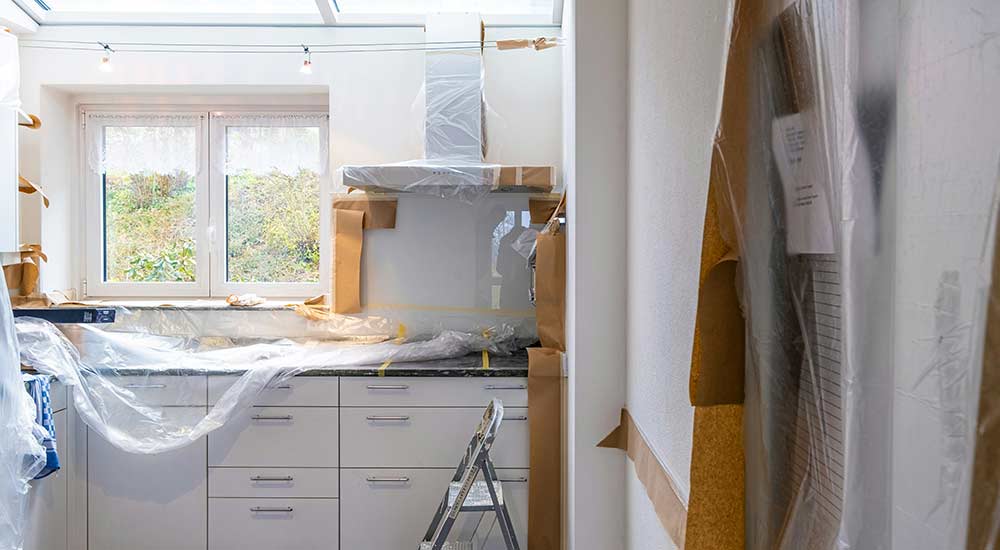
 Are you looking to increase the value of your home without breaking the bank? Look no further than these small home improvement projects that can make a big impact. Whether you're preparing to sell your home or simply want to improve its overall value, these projects are perfect for any budget. As always, keep your insurance agent updated on any changes to your home to ensure you're properly protected.
Why Home Improvement Projects MatterHome improvement projects are a great way to increase the value of your home. According to a study by the National Association of Realtors, home improvement projects can increase the value of your home by up to 10%. Not only do they make your home more appealing to potential buyers; they also improve the overall functionality and comfort of your living space. Here are our top 6 home improvement projects to consider:
DIY Projects DIY projects can save you money and give you a sense of accomplishment. However, it's important to know your limits and not take on a project that is beyond your skill level. Here are some DIY projects that are relatively easy and can increase the value of your home:
Curb Appeal Improving the curb appeal of your home is a great way to increase its value. Here are some budget-friendly ways to improve your home's curb appeal:
The kitchen is often considered the heart of the home, and small updates can make a big impact. Here are some budget-friendly ways to update your kitchen:
0 Comments
 by Kristin Schoenbach, Regional Sales Director, Main Street America Insurance •
October 4, 2023 These days, families across the United States are feeling the pinch of rising costs and tighter budgets. In fact, Energy Information Administration data shows electricity prices increased approximately 11% from 2021 to 2022. According to Forbes, American families spend an average of $429 each month on utility services. This includes a number of important services like:
Let’s take a closer look at all the factors that drive your utility prices. Factors that Impact Your Utility BillsYour Home’s Age and Location Things like your home’s age and where you live can have a surprising impact on your utility bills. Older homes may be insulated differently, making them harder to heat and cool. If you live in an older home, this could mean higher utility bills for your family. Similarly, living in an area that has harsh winters or hot summers means your bill is likely to go up seasonally. Your Home Size Smaller homes are cheaper to heat and cool. And with less space and fewer people in the home, you’re likely to use less overall. Less electricity, less water, and less need for things like high-speed internet or multiple routers to boost your signal strength. The Number of People in the Home More people in your home means more people taking showers, cooking meals, playing video games and driving up the temperature inside. Simply put, more people equals more expense for all of your utilities. Increased Usage Bad weather, working from home and many other things can keep your family home more than usual. But more time at home means more energy and water consumption, leading to increased utility costs. Fortunately, there are just as many things you can do to boost your energy savings! Rising Prices These days, rising prices and the economy are increasing utility costs everywhere. As the cost of natural gas, materials, labor and other items go up, so will your utility bills. Ways to Save on Utility BillsNext, we'll cover a few tips for how to save money on utilities. There are several simple ways to lower your electric bill, save water and lower your monthly expenses, including: Find and Fix Leaks Whether it’s a steady drip from your shower or a drafty window, the best thing you can do for your home is find and repair leaks. The faster you do, the less energy and water you’ll waste and the lower your expenses will be. Reduce Your Usage Small things can make a big difference to save on electricity and lower your utility bill. Try to avoid running small loads in the washing machine or dishwasher, take shorter showers and shut the burner off a couple minutes early to help conserve resources. Keep up with Routine Maintenance Replace your air filters, clean out your ducts, keep appliances clean and more. This will help ensure your home’s systems are running properly and you aren’t wasting water or electricity while you go about daily life. Upgrade, Upgrade, Upgrade We know new appliances can be pricey, but when you can afford to replace them it’s well worth the investment. When it’s time to replace your appliances, be sure to swap them for energy efficient and Energy Star label models. Compare Prices Where You Can In many places around the United States, consumers don’t have the luxury of choosing their gas, energy or water suppliers. However, most Americans do have the option to choose who they use for phone, internet and other services. Do your research and choose the company that provides the most bang for your buck. Unplug and Turn off Devices This one may seem obvious, but it’s easy to forget. Be sure to unplug and turn off devices like your coffee maker, chargers and other items when they aren’t in use. Doing so will prevent phantom energy use and help lower your monthly utility bills. Swap Your AC for Ceiling Fans Setting your thermostat to a more energy efficient temperature is a great way to save. Many people recommend 68 in the winter and 78 in the summer. Instead of lowering your AC, turn on ceiling fans and let them do the work of circulating comfortable air. Turn Down the Heat on Your Water Tank This is another easy one to forget, but it’s helpful for both safety and efficiency. Take a moment to reduce the heat on your water heater to conserve energy and protect your family from potentially scalding water in the shower. Turn Down the Lights, Turn Up the Savings Reducing your lighting costs is easier than you think. Swap the bulbs around your home for energy efficient LED bulbs and invest in dimmers or timers that can help you reduce your energy usage. Maximize your energy savings by shutting off lights when you leave the room. Invest in Solar Energy This is another upgrade that could make a world of difference for your family. While the initial investment for solar panels can be pricey, it can be well worth it when you start saving on your utility bills. Schedule a consultation with a local solar company to see if it’s the right choice for your family. REMEMBER: If you make upgrades that change the value of your home (like adding solar energy), always report those upgrades to your homeowners insurance company to protect your investment with the proper insurance coverage. 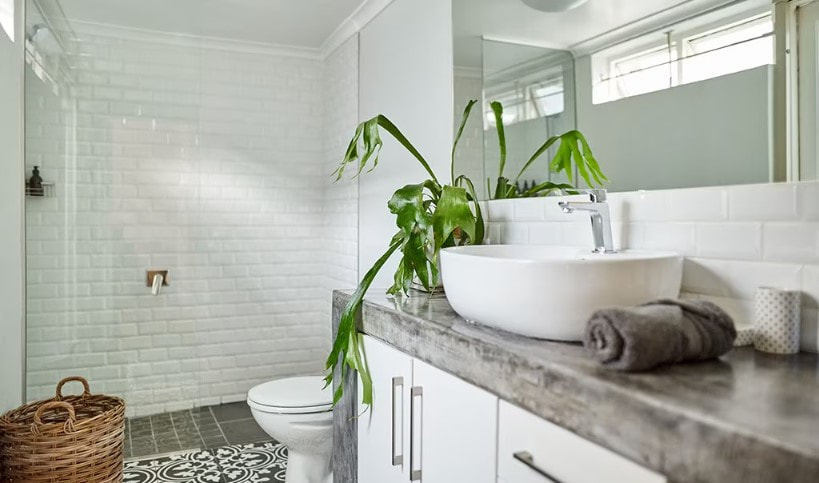 Your bathroom plays many roles in your home. It can be your oasis for long showers or relaxing baths, and where you get ready for work or a night on the town. It’s also where you may store important medications or teach your young child how to brush their teeth.
Though typically among the smaller rooms of the house, bathrooms are essential to everyday life. And, if well-maintained and updated, bathrooms can even help to increase the value of your property. For all these reasons and more, you’ll want to protect this versatile, highly used space from costly water damage that could leave it inaccessible and unusable. Where Do Bathroom Leaks Come From?Bathrooms contain multiple sources of water, such as the sink, shower/bathtub and toilet. Each of these sources has the potential to leak and damage a vanity, flooring, walls or personal property items. And leaks don’t always stay in one place. They may travel to adjoining or nearby rooms on the same floor. Water could also make its way to the floors below, dripping into the ceiling drywall and causing stains, cracking and sagging. Lack of Bathroom MaintenanceLack of maintenance can be the root cause of many plumbing problems. Because pipes are hidden behind walls, under floors and in cabinetry, it can be easy to forget about them. As time goes by, pipes age and may rust or corrode, creating an environment where clogs may form and connections become weak and faulty. Bathroom Installation Issues and Product DefectsSometimes, installation issues or product defects are the culprit. Improperly connected pipe fittings, poorly caulked shower bases or badly grouted tile can allow water to seep. Using defective or unsuitable materials or cracked parts may lead to leaks as well. Thankfully, there are ways to help reduce the risk of damage from leaky pipes. A little knowledge and attention to bathroom maintenance helps keep water in your bathtub, toilet or sink instead of on the floor or other areas of your house. Tips to Help Prevent Water Damage in the BathroomInspecting bathrooms and other spaces regularly for signs of leaks is a good way to help protect against water damage. Here are a few tips to help prevent water issues and stop them from getting worse:
Ways that Bathroom Water Damage Can Become a Big DealThough preventive measures may help lower the odds, they can’t stop all bathroom water damage. And when an incident occurs, it can result in costly and disruptive losses—especially if you don’t have good homeowners insurance. Insurance claims for non-weather-related water events have been known to exceed $10,000.2 Repair and restoration costs aren’t the only concern. If the damage is severe enough, you and your family may need to move out of your house while it’s being fixed. This could temporarily impact your family’s homelife and hurt your wallet. To understand how any of this can happen in the first place, it helps to get a picture of what bathroom water damage may look like. Focusing on the areas where most bathroom leaks start—sink, bathtub/shower and toilet—here are some examples of scenarios you could face: What Bathroom Water Damage Could Look LikeSink drips. Your bathroom sink faucet has a slow drip. You don’t think it’s much to worry about, so you ignore it at first, but then days turn into weeks. During this time, a manufacturing defect in the sink drain’s P-trap is funneling that water leak into the cabinet, rotting the wood and destroying the items stored in your drawer. The leak also wastes a large amount of water, which is especially problematic if you have a well with a limited water supply.3 Shower/bathtub water leaks. After walking into the bathroom, you notice a musty smell coming from the shower. Even though the shower was recently renovated, you (or your plumber) check it for installation issues that might be letting water out. You also examine the caulk seal around the base. Upon further inspection, it appears the tile and grout were improperly installed and not sealed. You discover that water eroded the grout and seeped behind the tiles, causing the mildew responsible for this odor. Toilet leak around the base. Just before leaving for vacation, you notice a small leak around the base of your upstairs toilet. You’re in a hurry, so you decide to deal with it after your trip. But what seems minor now eventually turns into gallons of water looking for somewhere to go. Water flows from the upstairs toilet’s broken ring gasket, down through the floor, across your living room ceiling below and pours onto your new sofa. There are many reasons you’d want to avoid scenarios like these in your home. Among the most important is that they may not always be covered by insurance. Homeowners insurance typically covers unexpected, rapidly occurring water events and the ensuing damage. It doesn’t necessarily pay for losses caused by poor upkeep or a delayed response to a known problem. Talk to an agent about your specific policy and ask if your current coverage level is appropriate for you. Take Action to Safeguard Your Home from Bathroom LeaksWhile bathroom water damage could be destructive, you can help prevent it—or reduce its impact—through inspections, maintenance, water sensors and shut-off valves. If it does happen, having homeowners insurance with protection that fits your needs can give you peace of mind. And remember, for any repair work you’re not comfortable doing, or not trained to do, reach out to a professional. To discover more about safeguarding your house with homeowners insurance, contact your local independent agent, get a quote or speak with a Travelers representative today. Sources 1 https://disastersafety.org/maintenance/prevent-water-damage-from-plumbing-and-appliances/ 2 https://www.iii.org/fact-statistic/facts-statistics-homeowners-and-renters-insurance 3 https://www.epa.gov/watersense/fix-leak-week#:~:text=Faucet%20Leaks,-Old%20and%20worn&text=A%20leaky%20faucet%20that%20drips,take%20more%20than%20180%20showers! by Stacy Juelfs, Regional President, Main Street America Insurance • December 6, 2021  Between travel, gift giving, decorating and shopping, the holiday season is a busy one for many people across the country. The hustle and bustle means people may neglect the little things that keep our homes safe.
Here are a few simple holiday safety tips to help ensure a happy holiday season for your family. Home Security TipsKeeping your home secure is a necessity year-round, but it’s especially important during the holidays when reports of crimes like robberies increase by approximately 20 percent*. If you’re traveling and spending time away from the house, here are a few ways to protect your home:
* Data from the National Crime Victimization Survey ** Data from wirechiefelectric.com 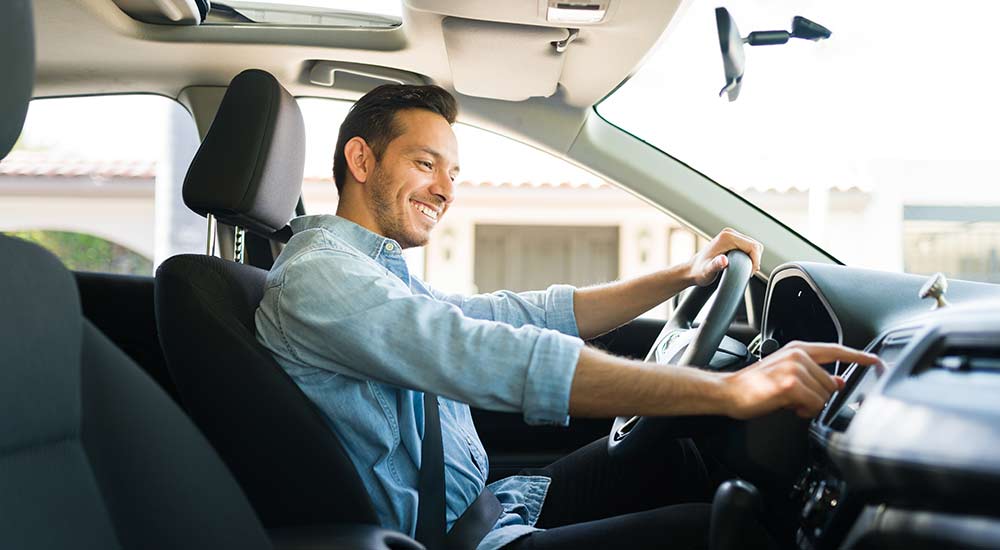 Buying a car can be a stressful and exciting time – between setting budgets, navigating loan options and choosing the right insurance, there’s a lot to think about. The car you choose and the insurance and premiums you need go hand-in-hand. So, when buying car insurance for a new vehicle, the best thing you can do is research to know exactly what you’re looking for before you step foot on a car lot.
Here are some car buying insurance tips to help you get started: Coverage Considerations for a New CarThe first step before buying auto insurance is to come up with a plan. Know which coverages you’ll need, whether your current insurance will be enough to protect your new vehicle and what proactive steps you can take to reduce your rates. Liability CoverageThis is a base level of insurance coverage that helps cover medical costs, legal bills and more in the event that you cause an accident where another person is injured or their property is damaged. When setting up your policy, you’ll want to think about these two important factors: The limits that are required by the state that you live in. Make sure you have enough coverage in place to pay for the most common losses you could see and to protect the assets you have. Personal Injury ProtectionUnlike liability coverage, personal injury protects you in the event of an accident. Regardless of who is at fault, your personal injury coverage will pay for your medical expenses if you’re injured in an accident. Some states have minimum coverage amounts (usually around $10,000), but ultimately the level of coverage you choose depends on how protected you want to be. Ideally, you’ll want to make sure you have enough coverage in place to protect you from costly out-of-pocket expenses should you require surgery, hospitalization or need to take time off from work to heal. Personal injury insurance may not be available in every state or may be written under a different name. As always, talk to an independent insurance agent to make sure this coverage is available in your state and what limits will protect you best. Comprehensive and CollisionComprehensive and collision are added coverages that protect from things like hail, theft and physical damage to your vehicle in the event of an accident. In some cases (especially if you finance a vehicle) you may be required to maintain comp and collision coverage when buying auto insurance. New Car, New CoverageOne of the best car insurance tips we can give is to ensure your coverage matches your car and to consider how the car you choose could affect your insurance premium or payment. If you’re trading an old vehicle in for a newer, more expensive model, you’ll want to consider raising your coverage limits to ensure you’re fully protected. If you’re financing your vehicle, make sure you have all the coverages in place that are required by your lender and your local government. Defensive Driving SavesBefore you start shopping, consider signing up for a defensive driving class. People usually think of defensive driving courses as something you do after you’ve been given a ticket, but it can actually be a great way to get proactive about reducing your car insurance rates. Nothing saves you money like showing the insurance company you’re a safe driver. Research VehiclesNow that you know what coverage you’ll need, it’s time to start shopping. If you’ve done this before, you may have an idea of which company you’d like to work with or how much you can expect to pay in premiums. However, a great tip for first time car insurance buyers is to explore all your options. Compare PremiumsWhether you search quotes online or visit your local independent insurance agent, make sure you consider all your options when looking for the right company to work with. See who can provide you with the best coverages at the best price so you can ensure you’re fully protected without breaking the bank. If you’re still considering a few different cars, it pays to talk to your insurance agent before you purchase. They can give you quotes on the insurance premiums for each vehicle so you can have a full picture of how your car-related expenses may change. In addition to premiums, another important factor in determining the best insurance for you is how well they handle claims if you ever needed it. A benefit of working with an independent agent is that they can provide feedback on a company’s claims handling practices to ensure they settle claims quickly and fairly. DiscountsAs part of your research, look into any discounts that might be available to you. Usually, you can save money upfront with things like multi-policy or multi-driver discounts, paying the policy premium in full or signing up for auto-pay. As you continue your relationship with the company, you may get added discounts for loyalty or safe driving. Ask your insurance agent for details about all the ways you can save. Choosing the Right CarIf you’re on the fence about which car you want to get, another great thing to factor into your decision is the size of the vehicle and any safety features it has. Did you know in some cases smaller cars can be more expensive to insure? They can be more expensive on the liability premiums since you are statistically more likely to experience a greater injury in an accident than if you were driving a larger truck or SUV, which can lead to savings for you. That said, smaller cars are often less expensive for the physical damage in the event of a total loss. Another great way to reduce your premium is to buy a car with an anti-theft device and other safety features that reduce your risk. Buying Car InsuranceSo you’ve found exactly what you want and you’re ready to buy — here are some insurance tips for car buyers who are ready to make the leap: Do It YourselfThe dealership will handle a lot of paperwork on your behalf, but don’t assume they’ll take care of insurance too. Whether you set up your insurance before you buy the car or after, you’ll need to handle it yourself. If you’re updating an existing policy, it’s as simple as updating your policy online or reaching out to your agent to handle the details within the timeframe outlined by your insurance company. If it’s a new policy, you’ll need to set everything up before you leave the dealership. Dealers require proof of insurance before you can drive off the lot. Consider GapGap insurance is an additional insurance policy that you’ll purchase either from the dealer or from your lender. Gap insurance guarantees that, in the event your car is totaled, your loan will be paid off. Given how quickly cars depreciate in value, and how affordable gap coverage is, it’s a great way to protect yourself from an unnecessary financial loss. Higher Deductible, Lower RatesIf the price tag is running a little high on the insurance coverage you need, another great way to lower your payment is to consider a higher deductible. The deductible is the amount you’ll be asked to pay in the event that you file a claim that’s your fault or responsibility. For example, if you cause an accident and have a $500 deductible to cover physical damage, you’ll need to pay the body shop that $500 and your insurance company will cover the rest. Having a higher deductible means more expenses when an accident occurs, but it could save you money on your policy premium. Talk to your independent insurance agent to decide what coverage and which deductible is right for you.  According to the National Fire Protection Association, an average of 358,500 home fires occur each year, resulting in costly damages, injuries and even deaths. Fortunately, there are steps you can take to protect your home and family in the event of a fire. Here are a few pet safety tips to ensure your furry friends are safe, even if you’re away from home:
Create a Home Fire Safety ChecklistTaking the time to create a home fire safety checklist is a good idea for every member of the family. Use this list to keep track of everything from when to test your smoke detectors, where to find important documents and contact information you’ll need in the event of a fire. For your pet, be sure to include an emergency veterinarian and pet friendly hotels or other accommodations should you need to leave home long-term. Reduce Fire HazardsThe best thing you can to for your family is take a proactive approach to fire safety. Keep electrical cords tidy, don’t plug in more than an outlet can handle and take care with items that have a high risk of starting a fire. With pets, here are a few extra steps you should take to reduce fire hazards in your home:
Prepare Your PetThe idea of safely evacuating a pet during a fire can be nerve-wracking, but there are things you can do to ensure even the smallest members of your family are ready. Regularly work with your pet on recall commands, even in exciting or stressful situations, and keep treats and a leash handy so you can quickly grab it in an emergency. Include pets in any fire drills and practice securing them quickly to help ease their stress and ensure a successful exit if you need to evacuate. Reduce Their RiskPerhaps the scariest part of pet ownership is knowing that fires can happen while your pet is home alone. Here are a few pet fire safety tips to keep them safe, even when you’re away:
Conduct Safety ChecksRegularly evaluate your home’s safety – check for fire hazards like jumbled cords or faulty electrical wiring. If you find an issue, fix it as quickly as possible to reduce your family’s risk. As part of your safety check, review your home fire safety checklist and fire safety plan and make any necessary adjustments based on things like new family members, renovations made to your home and anything else that might have changed. Stay ProactiveAs we said before, there’s no better approach than staying proactive. Ensure your home has working smoke detectors and other safety alarms, and regularly test and replace batteries to keep everything in good shape. Keep pathways to your exits clear and have important items at the ready so you can evacuate quickly and safely. And, most importantly, ensure every member of the family knows the plan and is ready to go at a moments notice. Have the Right InsuranceTry as you might, you can never 100% prevent a house fire. When the unthinkable happens, it’s also important to ensure you have the right insurance coverage in place to protect your family and quickly restore your home without breaking the bank. Your homeowners insurance policy will pay to cover any damages caused by the fire, smoke or water damage. In most cases, it will also cover your expenses should you need to relocate while repairs are made. Talk to an independent insurance agent to make sure you have the right homeowners coverages and deductibles in place for your home. Find an independent agent today to review your insurance options. |
Kathy MlayIndependent insurance agent Archives
January 2024
Categories |
 RSS Feed
